How To Start E-Commerce In 2026

The idea of starting an e-commerce business sounds exciting on the surface. A common assumption is that establishing an online shop will bring fast, easy money, with products essentially selling themselves. To top it off, the general consensus is that running an e-store should involve minimal work, time, and effort – acting as the ultimate passive income opportunity from the start. But it’s not what it’s made out (or assumed) to be.
The harsh reality is, there’s a lot involved in even just starting an e-store, let alone bringing in customers and a steady stream of income. Selling products online as a regular side gig, or even as a full-time job, involves more than just mindlessly picking products to sell and quickly establishing an online storefront. Rather, it encompasses a variety of systematically planned steps to best ensure long-term success. Not to mention, it can take time just for your online store to get noticed, necessitating the deployment of a smart and consistent marketing strategy. Truly, only the strong will make it in the online retail space.
If you think you have what it takes to delve into e-commerce, but aren’t sure what the initial process entails or have concerns about the long-term realities, this informative guide is for you.
While launching an e-store can be labor-intensive, being calculated can ensure a smoother experience. Keep reading to explore step-by-step how to get started on your e-commerce journey.
Steps to Start an E-Commerce Business in 2026
1. Decide What to Sell

The initial aspects of starting an e-commerce business might seem like fun and games – thinking up a business name, designing a fun logo, building the overall branding, creating social media pages for your business, and deciding what you’ll sell. In reality, some of the first decisions you make regarding your emerging business are some of the most important and, therefore, should be meticulously planned.
One thing your core business plan should strongly encompass is your product strategy. This involves mindfully selecting a product niche, validating the demand for that niche, and researching its competitors. Aim for a niche that has steady or growing interest, has repeat purchase potential, and isn’t primarily dominated by big brands. It’s also crucial to select a niche you feel confident in marketing. Some niches may be naturally challenging to promote, which can pose a disadvantage for someone new to e-commerce or with little prior marketing knowledge.
Selecting the right niche matters because it can determine if you’ll make sales from the get-go. Being selective with your product strategy can also influence marketing complexity, your profit margins, and your potential for long-term growth. Picking a saturated, complicated, or highly specific niche can otherwise involve heavy marketing costs, fewer sales, and lower profit margins. A crowded or low-demand niche can also make it harder for you to stand out as a business, essentially making strong branding your only competitive edge.
2. Select Products and Order Inventory

Once you’ve determined what your store’s niche will be and have fully assessed the operational realities of that route, your next step is to pick specific products to sell. This, again, sounds enjoyable and effortless, but choosing the wrong products can prove unsuccessful and may ultimately lead to your online store’s downfall.
Selecting products involves carefully picking niche-relevant items with favorable reviews among consumers, relatively low market saturation, and ideal profit potential. When hunting for products, ask yourself these questions:
- Does this product primarily have seasonal interest or evergreen demand?
- What audience(s) would be interested in this product?
- Is interest in this product just a phase that will soon die off?
- What makes this product enticing to consumers – because everyone else is buying it or because people genuinely want/need it?
- Is there an “intent” or problem-solving aspect behind this product?
- Will customers just purchase once, or can I make loyal, repeat customers out of this product or series of products?
The general idea is to start with a few well-researched, self-tested products, with one of the products being the “hero” (preferably something with evergreen demand). Choosing products without testing and researching them first can be risky, with potential for negative customer feedback, unsold inventory, and lost profit.
After wisely selecting products, you can begin researching reputable suppliers to purchase said products from. When searching for suppliers, compare pricing, authority and reliability, product quality, and minimum purchase quantity required. Ideally, find a supplier who allows you to purchase quantities between 50 to 100 units for each product, rather than several hundred, to play it safe. In the early stages, don’t be tempted to overbuy inventory just to achieve bulk discounts. Overbuying can otherwise lead to storage issues and tighter cash flow. That said, purchase inventory hoping for the best but preparing for the worst – because it can go either way.
3. Set Up Your Online Store
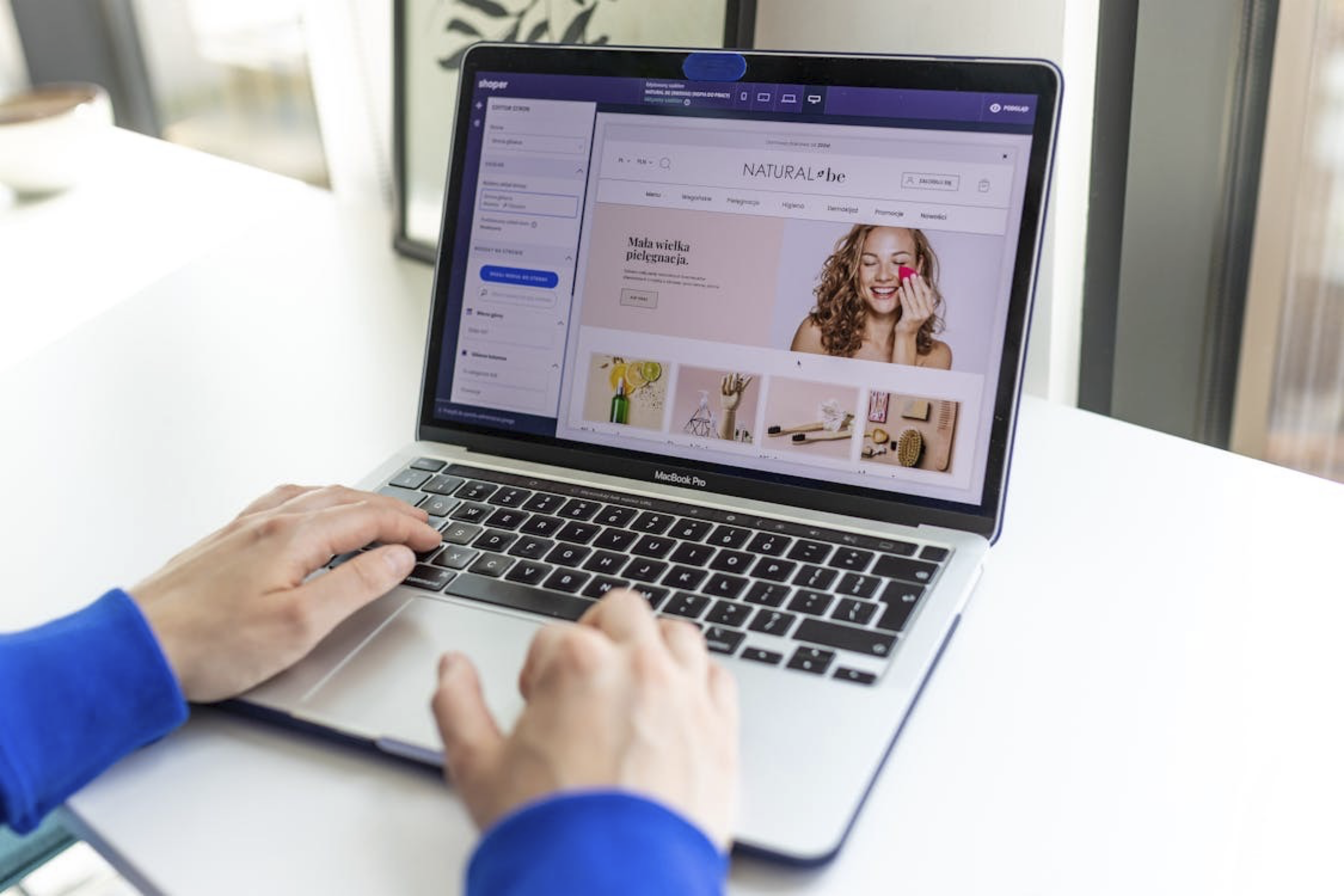
Here’s where things truly start getting technical. Your next step in starting an e-commerce business is to set up your online store. But setting up your store is not as quick as clicking a few buttons and hitting publish. Before all the “fun” parts involved in designing your shop, you’ll have to thoughtfully select a reliable e-commerce platform for your shop (e.g., Shopify, WooCommerce, Squarespace, Wix, etc.), comparing their pricing and various features. Also consider setting up a domain if necessary, which typically comes with additional costs.
When it comes to the actual shop design process, it matters to customize your e-store based on your branding and to create consistent messaging that aligns with your business’s identity. Visuals should be relevant, clean, and attractive, whereas messaging should be clear, genuine, authoritative, and feel reputable to consumers. “Little” things like selecting a user-friendly navigation menu, picking a well-organized product page structure, and using the right color scheme and fonts can make all the difference in how others will perceive your business.
One of the biggest keys when designing your shop is to differentiate your brand, not become a carbon copy. Don’t just pick a generic, pre-fabricated template and call it done or copy a competitor’s store to a T; your e-store should be a reflection of your business. Let your brand’s voice and vibe truly guide your design and help your business stay distinguished.
4. Import Products to Your Store

Once your online store has been set up, it’s time to import the products you’ve selected to sell. Each product listing should have an accurate and keyword-rich title, a quality image of the product, a clear description with all supplier specs, the quantity of product in stock, and the correct variants (e.g., size, color, style) available. Product listings should feature clear and easy-to-read communication, lack hard-to-understand language, be free of misleading claims, and be optimized for search engines.
You’ll also want to be careful when pricing your products, ensuring you’ll receive a favorable net profit from each item sold. When pricing, take the product’s original cost into account, plus shipping, customs, any currency differences, taxes, and fees, in addition to your desired product margin. While you can compare pricing with competitors to get a good idea of what your products should sell for, making your own calculations is still crucial. After all, what they may have paid for their inventory might have been lower or even higher than what you paid for yours. Not to mention, sometimes competitors intentionally mark products lower than market demand but make up for it in marked-up shipping costs or other fees to still profit, which can not only be misleading for consumers but also for their competitors.
While adding products to your e-commerce store for the first time can be tedious, it can become easier with time. Consider reusing description blocks, sticking to bullet points rather than long paragraphs, using AI tools to help generate first drafts of descriptions, and batching your work into segments.
5. Choose a Shipping Strategy

Now, to the logistics part of your e-commerce business: deciding how you’ll ship out your products. First things first: will you charge the full cost of shipping to your customers, offer free shipping on all orders (with shipping built into the price of each product), or only offer free shipping for those who purchase a certain amount from your store? Scale shipping fees are also an option, with higher orders receiving reduced shipping costs on the consumer end and low orders featuring higher shipping costs or a low-order fee to encourage larger orders. Other times, merchants may instead charge greater shipping costs for larger orders or bulkier items, due to the fact that they cost more to ship.
Another important consideration: will you offer domestic shipping only or also ship internationally? While shipping internationally can significantly increase your reach, it can also involve greater costs and complexity. Shipment delays are also more common when shipping to international customers.
Finally, decide which carrier(s) you’ll go with. Consider the fact that different carriers have different shipping speeds, reliability, delivery standards, types of delivery (e.g., expedited, two-day, etc.), and of course, costs. The carrier you choose now doesn’t have to be the one you stick with later. Over time, you can better determine if a carrier is a good fit for your business based on delivery times, transparency, number of shipping issues, the responsiveness of their customer support, and favorable delivery distance in relation to your consumers’ locations. The greater volume of packages you send out, typically, the better the carrier rate you’ll receive, which you can achieve as your e-store begins to scale.
6. Start Marketing

One of the toughest things for e-commerce newbies to come to terms with is that marketing is essential to gain traction for their store and earn sales. With competition all around you, putting your store out there in the form of digital ads, organic social media posts, and/or boosted posts can make a difference in helping you build awareness, garner trust, and reach the right audience. Otherwise, e-store traffic may be very limited, especially in the beginning.
To start, pick one main channel, like Instagram or TikTok, to highlight your products and brand. Consider content in the form of demonstrations, before and afters, educational posts, or lifestyle videos. If it’s in your budget, try testing the paid ad route. Paid ads can be great for targeting a precise audience and garnering quick attention to your e-store. Hiring paid influencers or giving free products in exchange for user-generated content can also be used as a marketing tactic.
Whether sticking to one or both paid and organic marketing, you can achieve the most success when targeting the right audience, regularly putting out fresh content, and keeping your strategy consistent (yet switching up as needed). Most importantly, keeping tabs on how your marketing is doing is crucial. Depending on how your strategy is working, you may need to pivot or scale – posting on a different social media platform, testing fresh content ideas, or even raising your ad budget.
7. Continue Testing and Marketing, Adjusting Accordingly
Once your store has launched, the work doesn’t end there. Apart from fulfilling orders, it’s still essential to continue testing and marketing your products. Trends come and go, consumers may begin eyeing new products, and new competitors might enter the market, making occasional product adjustments and marketing tweaks important on your end.
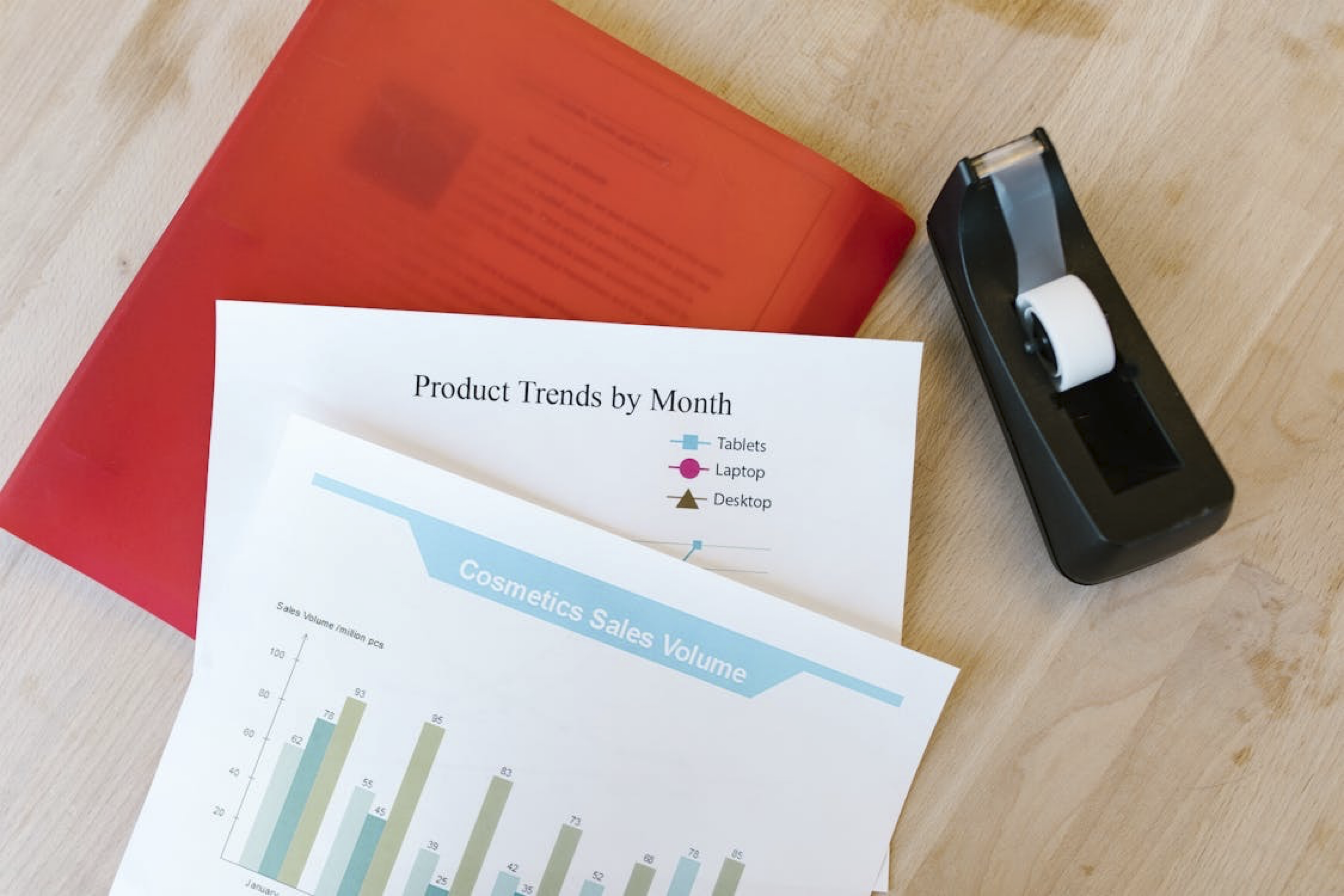
Continuously testing your products (and testing new products) can be done through reading customer reviews, researching new items to sell, and running paid ads to speed up validation. Your store’s conversion rate can also be an indicator if your products and/or marketing necessitate changes. As for your current marketing strategy, this can be played around with by using different creatives, small-budget ad testing, or testing multiple content angles. Of course, measuring basic key metrics, like your cost-per-click (CPC) rate and conversion rate, can also indicate the success of your marketing.
Even if you’re achieving favorable sales, regularly marketing and assessing/adjusting your strategy as needed can help your brand stay relevant, compete against rivals, win back lapsed customers, and potentially scale.
Common E-Commerce Challenges: The Hard Truth
Getting into the e-commerce business is easier said than done. While the e-commerce industry has a lot of potential, it’s not without risk.
Here are some possible challenges that can come from starting a conventional online store:
1. High Upfront Inventory Costs
One of the biggest hardships involved in launching an e-commerce business is having to buy hundreds or even thousands of dollars’ worth of inventory upfront. Not only is this not economical for many folks, but the potential for dead or slow-selling stock can create further challenges, from cluttered storage to trapped cash flow and reduced profit margins. With no way to predict how your initial sales are going to be, it can be challenging to gauge how much to order from the start, making it risky no matter how much or how little you order.
2. Storage and Inventory Management Issues
On-site inventory storage and management are also big challenges for those new to e-commerce, especially for home-based businesses. Space can be very limited, organization can be complex, constantly tracking inventory can be time-consuming, and ensuring you have enough product on hand at all times can be cumbersome. There’s also the possibility of an inventory surplus, which can impact the spacing and organization of other products.
3. Low Profit Margins
In the beginning, low profit margins are common for online store owners. Because new e-commerce shop owners purchase inventory in smaller quantities, and shipping isn’t yet done in bulk, they don’t yet qualify for bulk discounts from wholesalers, distributors, or carriers. Not to mention, customer acquisition can add up quickly for a new shop trying to ramp up traction. Fortunately, online shops can generate higher profit margins as they get over this initial hurdle and begin to scale.
4. Unexpected Costs and Delays
There’s more than what meets the eye when it comes to running an e-commerce store. Unexpected costs may arise – including higher-than-anticipated customs and import fees, shipping surcharges, payment processing fees, rising material costs, and the expenses associated with refunding or replacing orders. Unforeseen delays are also possible, such as production or shipping setbacks. Even internally, delays can happen. Think stock running out quicker than you anticipated or a hiccup on your end regarding tracking and reordering inventory, which can impact fulfillment times, profit, and customer satisfaction.
5. Limited Shipping Reach
Shortly after launching an e-commerce business, reality hits: you typically can’t ship everywhere. From dealing with customs, duties, taxes, plus higher shipping costs in general, to longer delivery times and logistics differences from country to country, it can be a challenge expanding reach outside of your nation. Yet, the more defined your shipping reach is, the smaller your customer base, the slower your store may grow, and the less likely you are to compete with similar online stores with global reach. Even when passing on shipping costs and fees to international customers, businesses can still suffer in the form of frequently abandoned carts due to high shipping expenses.
6. Time-Consuming Tasks (e.g., Shipping, Customer Service, etc.)
Running an e-commerce store isn’t just about creating a website, uploading products, and engaging in occasional digital marketing. Traditional e-commerce is significantly more hands-on and less “set and forget” than people initially realize. The variety of tasks can be tedious: keeping tabs on stock, analyzing sales reports, researching new items to sell, updating product pricing as needed, adjusting your digital marketing campaigns, responding to customers’ complaints and inquiries, packaging and shipping out your own orders, reading and responding to reviews, and so on. Simply put, it involves a lot of work that many people aren’t prepared for or willing to take on, on their own.
FAQ: Starting an E-Commerce Side Gig in 2026
1. How do I start an e-commerce business?
Starting an e-commerce business begins with carefully planning what to sell, ordering inventory, setting up an online store and uploading your products, choosing a shipping strategy, and marketing your products.
2. Is e-commerce profitable?
Yes, e-commerce can be profitable with the right strategy. Success in the e-commerce business heavily relies on choosing the right products, properly pricing products, and consistent marketing.
3. How much does it cost to start an e-commerce business?
Because standard e-commerce businesses require purchasing inventory upfront, startup costs can range from a few thousand to over $100,000, depending on the extent and size of your business. Going the dropshipping route can cost significantly less thanks to no upfront inventory costs.
4. How do I find winning products to sell?
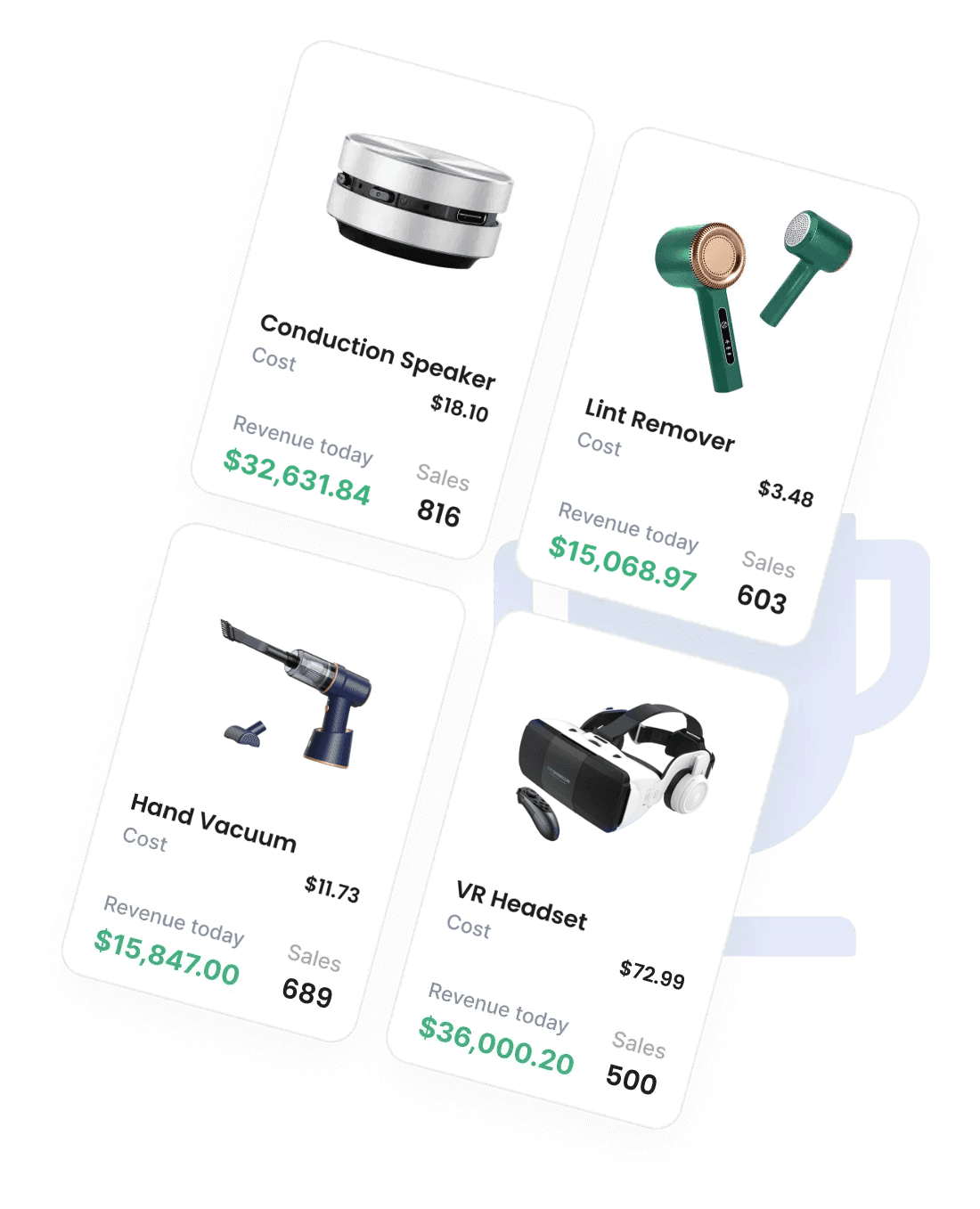
Using Tradelle’s Products Pick tool can make finding the right products to sell a breeze. Their hand-picked list is regularly updated with trending, research-backed products to add to your e-store, minimizing the need for tedious research on your end.
5. What are the risks involved in e-commerce?
When starting an e-commerce business, potential risks include heavy demand on suppliers, being left with dead stock, unpredictable consumer demand, and high competition.
Streamlining the Launch of an E-Commerce Business
Conventional e-commerce isn’t for the faint of heart. With multiple potential vulnerabilities – from cash flow problems to shipping and fulfillment issues – launching an online store requires careful planning and the availability of upfront capital. Those who might not be suited for a traditional e-commerce business include those who want quick or guaranteed income, struggle with planning and organization, or don’t want to deal with the uncertainty of this business model.
If you’re still set on getting started with e-commerce, Tradelle has a practical solution. With the ability to quickly set up a free AI-generated online store, find and import winning products with a single click, and no need to purchase inventory upfront – only when a customer makes a purchase, Tradelle makes getting into the world of e-commerce easier, less tedious, and less risky. With products shipped out to your customers on your behalf, those utilizing Tradelle also deal with less operational work and can enjoy a smooth, more passive way to earn income through selling products online.
Wanting to start your e-commerce business as soon as today? Create a free Tradelle account to begin the process.