Jewelry Dropshipping in 2027: Margins, Quality, and Suppliers
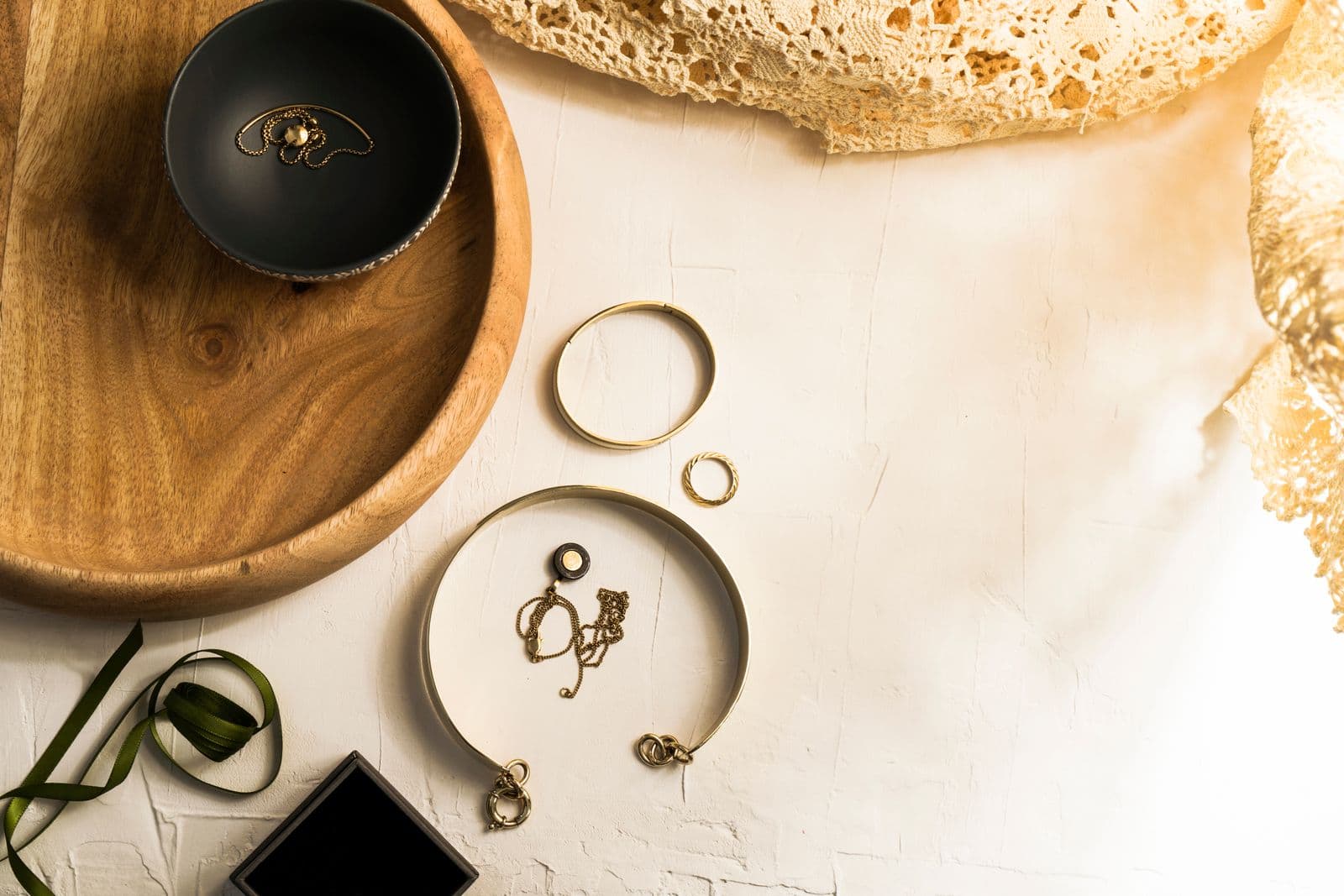
Yes, jewelry is one of the strongest dropshipping niches going into 2027. A pendant weighs almost nothing and ships for the price of a letter, margins regularly clear 60% before ads, and demand spikes around every gift occasion on the calendar. The catch is quality: one batch of tarnishing necklaces can flood you with refunds and one-star reviews. This guide covers the real math, the quality traps, how to vet suppliers, and when to launch for each gift peak.
The demand side is not in question. Grand View Research values the worldwide jewelry market at $381.5 billion in 2025, growing to a projected $578.5 billion by 2033. Online keeps taking share of that, and the affordable end, where dropshippers live, grows fastest because buyers happily order a $25 necklace on impulse while they would never buy a $2,000 ring without seeing it in person.
We will go through the whole picture: why the economics favor jewelry over almost any other niche, what a realistic profit looks like per order, which materials survive daily wear and which come back as refunds, how to test a supplier before you sell a single piece, and how to time the December, Valentine's Day, and Mother's Day peaks.
Why Jewelry Works So Well for Dropshipping
Most products that people try to dropship fight physics. A gadget that weighs a kilo costs $8 to $12 to ship, breaks in transit, and needs a much bigger box. Jewelry is the big exception. A necklace in a small gift box weighs 50 to 100 grams, fits into a padded envelope, and almost always arrives in perfect condition. Shipping that would eat a third of your margin on larger items becomes a rounding error here.
Then there is how people buy it. Jewelry is an emotional purchase, often a gift, and buyers decide with their eyes in seconds. That means three things for your store: photos do the selling, packaging justifies the price, and nobody comparison-shops a birthday present for two weeks the way they would a coffee machine. Impulse-friendly products convert cold traffic, and cold traffic is what most dropshippers buy.
Repeat behavior helps too. Someone who likes your minimalist hoops comes back for the matching necklace, then again in November for gifts. Few niches let one customer acquisition pay out three or four times a year without a single new ad.
The Margin Math Nobody Shows You
Here is a realistic order, using typical supplier numbers for a stainless-steel pendant necklace. The product costs you $3.50, shipping to the US or EU runs about $5, so your landed cost is $8.50. You sell it for $27.99 in a gift box. Your gross profit before ads is $19.49, a margin of about 70%. Even after $8 to win the customer through ads, you keep roughly $11 per order.
For comparison, a typical gadget order has a product cost of $12, shipping of $8, a selling price of $29.99, and a gross profit of $9.99 before ads. The jewelry order clears almost twice the profit on a smaller price tag, and the buyer is happier because the parcel arrives in days looking like a present instead of a gray plastic bag.
Bundles make the gap wider. Add a matching pair of earrings for $2 more in cost and sell the set for $39.99: the second piece ships inside the same box, so your landed cost rises to about $10.50 while profit climbs to roughly $29 before ads. One parcel, one customer, nearly double the profit. Jewelry stores make a lot of their money selling sets, so your product pages should always offer the matching piece.
Where the extra profit hides
Three levers push jewelry profit past the base margin. Gift packaging costs cents and justifies a higher price. Bundles, a necklace plus matching earrings, lift the average cart with almost no extra shipping. Personalization, an engraved initial or a birthstone, turns a $4 item into a $35 gift that bigger stores cannot copy at scale. If you want the full playbook on cart value, our guide on average order value runs the numbers.
The three price tiers
Fashion jewelry under $30 is the volume game: impulse buys, trend-driven, fastest to test. Demi-fine between $30 and $150, think gold vermeil or real 925 silver, is where trust and reviews compound into a brand. Fine jewelry is not a dropshipping business. Nobody buys a $2,000 piece from a store they found yesterday. Start in tier one, prove you can sell, then climb into demi-fine once your reviews exist. Sellers chasing bigger tickets should read our breakdown of high-ticket profit margins instead, where the math works completely differently.
What about returns?
Fashion jewelry sees fewer returns than fashion clothing, mostly because there is no fit to get wrong once you skip rings or publish real measurements. When returns do happen, speed protects you. A refund processed in two days keeps a disappointed buyer quiet. A three-week argument writes your next one-star review. This is where fulfillment with return centers in the US, EU, and UK pays for itself, because the parcel goes back to a nearby address instead of on a slow boat across the world. Budget roughly 3% to 5% of orders coming back in your first months and treat that as a marketing cost, because every handled return is a review you did not lose.
The Quality Traps That Kill Jewelry Stores
Jewelry fails sellers in ways a phone case never does, because it sits against skin all day. These are the five traps, in the order they usually hit:
- Tarnish. A cheap layer of plating over brass can start to wear within weeks, sometimes days, and the customer blames you, not the supplier. Plating thickness and the base metal underneath decide everything, and you cannot see either in a product photo.
- Skin reactions. Nickel in cheap alloys can irritate a meaningful share of buyers, and the EU restricts nickel release in items that touch skin. "Nickel-free" is a claim you must be able to back, not a marketing word.
- Material claims. US jewelry rules (16 CFR Part 23) say you cannot call a plated piece "gold" without qualifying it. Listings that say gold when they mean gold-plated invite refunds and worse.
- Photo disappointment. If your pictures show a chunky pendant and the parcel holds a thumbnail-sized one, expect returns. Shoot scale honestly: on a neck, on a hand, next to a coin.
- Sizing. Rings are the return kings of the niche. Either skip rings at the start or publish a real size chart with actual measurements, not S, M, L guesses.
None of these are reasons to avoid the niche. They are the reasons your competitors get one-star reviews while you do not. Every trap has a supplier-side fix, which is exactly what the next section covers.
When a batch goes bad anyway
Sooner or later a supplier will ship a bad run, even a good one. Pull the product from your catalog the day the second complaint lands, refund the affected buyers without making them ask twice, and message everyone who ordered before they notice the problem. Buyers forgive a fast, honest refund. They do not forgive discovering the fade themselves and having to chase you. Then switch the SKU to a vetted alternative and put the supplier on probation. One bad batch handled well can still end in five-star reviews about your service.
Choosing Suppliers Without Getting Burned
The single most important step in jewelry dropshipping costs about $20: order samples and wear them for two weeks. Shower in them, sleep in them, sweat in them. If the pendant still shines after that, it will survive your customers. If it fades, it just saved you from a hundred refunds at the cost of a coffee.
The materials cheat sheet
Many successful fashion-jewelry stores build their catalogs on stainless steel, usually stamped 316L. It does not tarnish, it shrugs off sweat and showers, and it costs almost nothing. Sterling silver, stamped 925, is the step up: real silver, a higher price, and buyers who search for it on purpose. Gold vermeil is a thick layer of gold over silver and survives daily wear. Gold plated is a thin layer over brass and fades. At supplier level the difference is a few dollars per piece.
Stones follow the same logic. Cubic zirconia gives you the sparkle at costume-jewelry prices, and at pendant distance nobody can tell. Natural stones and real pearls belong to the demi-fine tier and to suppliers you trust with documentation. List your items with accurate copy: stainless steel when it is stainless steel, plated when it is plated. Honest copy converts slightly worse on day one and refunds dramatically less on day thirty.
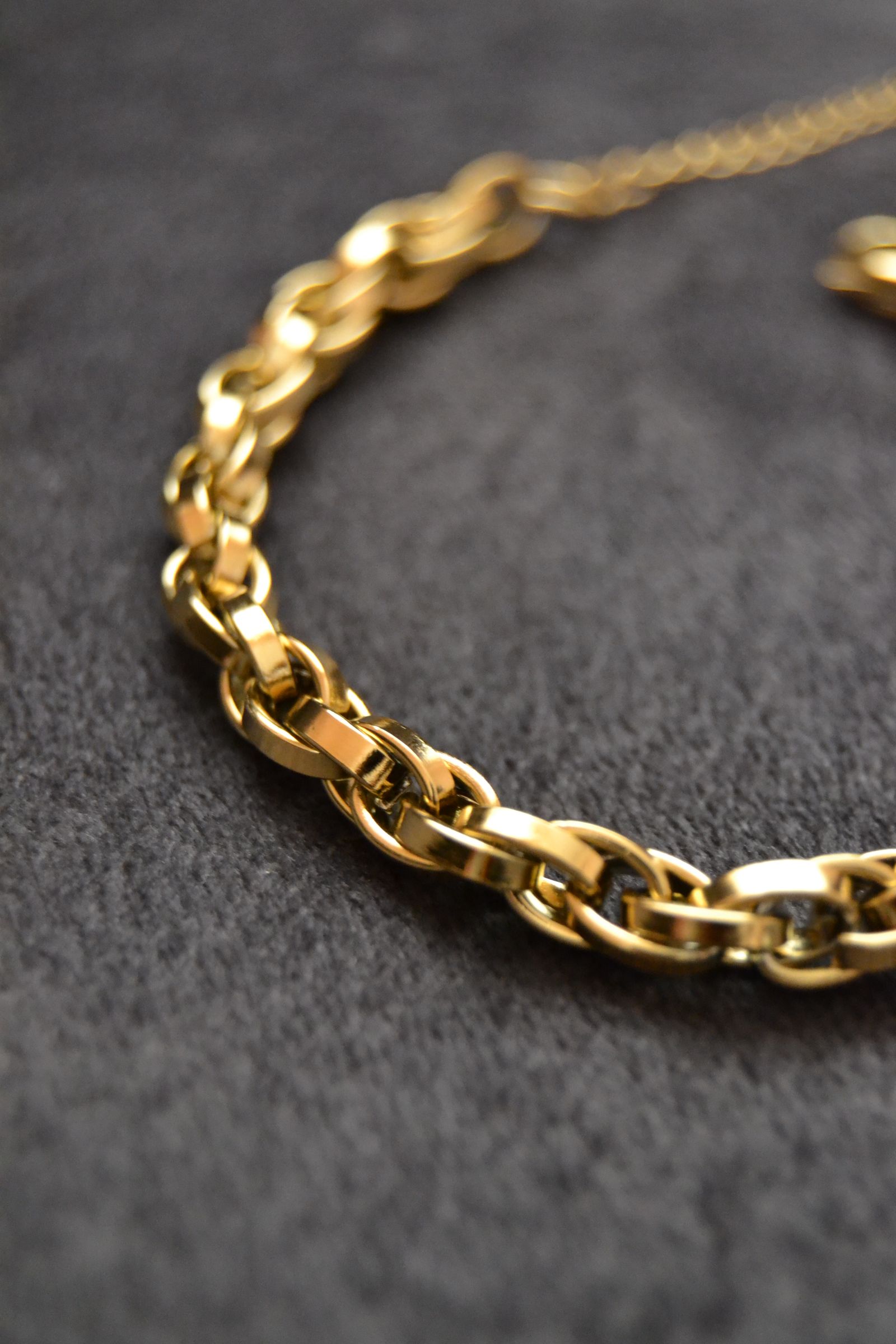
When you talk to suppliers, ask three questions and write down the answers. What is the base metal: stainless steel and 925 sterling silver age well, bare brass and mystery alloys do not. How thick is the plating: serious suppliers answer in microns, evasive ones answer with adjectives. And what happens on a quality claim: do they reship, refund, or argue.
This vetting is also where the fulfillment model counts. With Fulfillment by Tradelle, products are sourced directly from manufacturers with in-house quality control before anything ships, and returns go to return centers in the US, EU, and UK instead of a slow argument across time zones. For a niche where quality is the whole game, that structure is the difference between a store and a brand. Our fulfillment guide compares all four fulfillment models on real speeds and costs.
Finding Demand: What Sells and When
There are three big demand spikes in the jewelry calendar. December is the mountain, with Christmas gifting pulling searches up from mid-November. Valentine's Day is the second peak, smaller but sharper. Mother's Day rounds out the spring. Between the spikes, demand never dies. It just idles, because birthdays and anniversaries happen every day.
Timing follows from that. A Valentine's collection needs to be live and ranking by mid-January, which means products picked and pages built in December. Our guide on using Google Trends for product research shows how to read the 5-year curve for any style you consider: you want clean yearly spikes, not one viral bump that already collapsed.
For concrete demand numbers per product, the research report behind every item in Product Picks shows estimated monthly searches, the busiest months, and a saturation reading with real store counts. Styles that keep proving themselves year after year: minimalist everyday pieces, personalized name and initial jewelry, birthstone anything, and matching sets aimed at couples and best friends. Check the data first with our product validation routine before you spend a dollar on ads.
A simple launch rhythm
Work the calendar backwards. Start building for December in October and scale through November. Build for Valentine's Day in December and early January, and for Mother's Day in March. Between peaks, refresh photos, test one new style a month, and let email bring past buyers back. Stores that treat jewelry as a year-round rhythm instead of a Q4 scramble are the ones still standing when the second December arrives.
Selling It: Photos, Packaging, and Positioning
In jewelry, the photo is the product. Buyers cannot touch anything, so they buy the light, the skin tone, the context. Supplier photos on white backgrounds convert poorly and mark you as a reseller instantly. Shoot your samples: on a neck, in natural light, with one prop that gives scale. Our image optimization audit shows what this does to conversion with real before-and-after numbers.
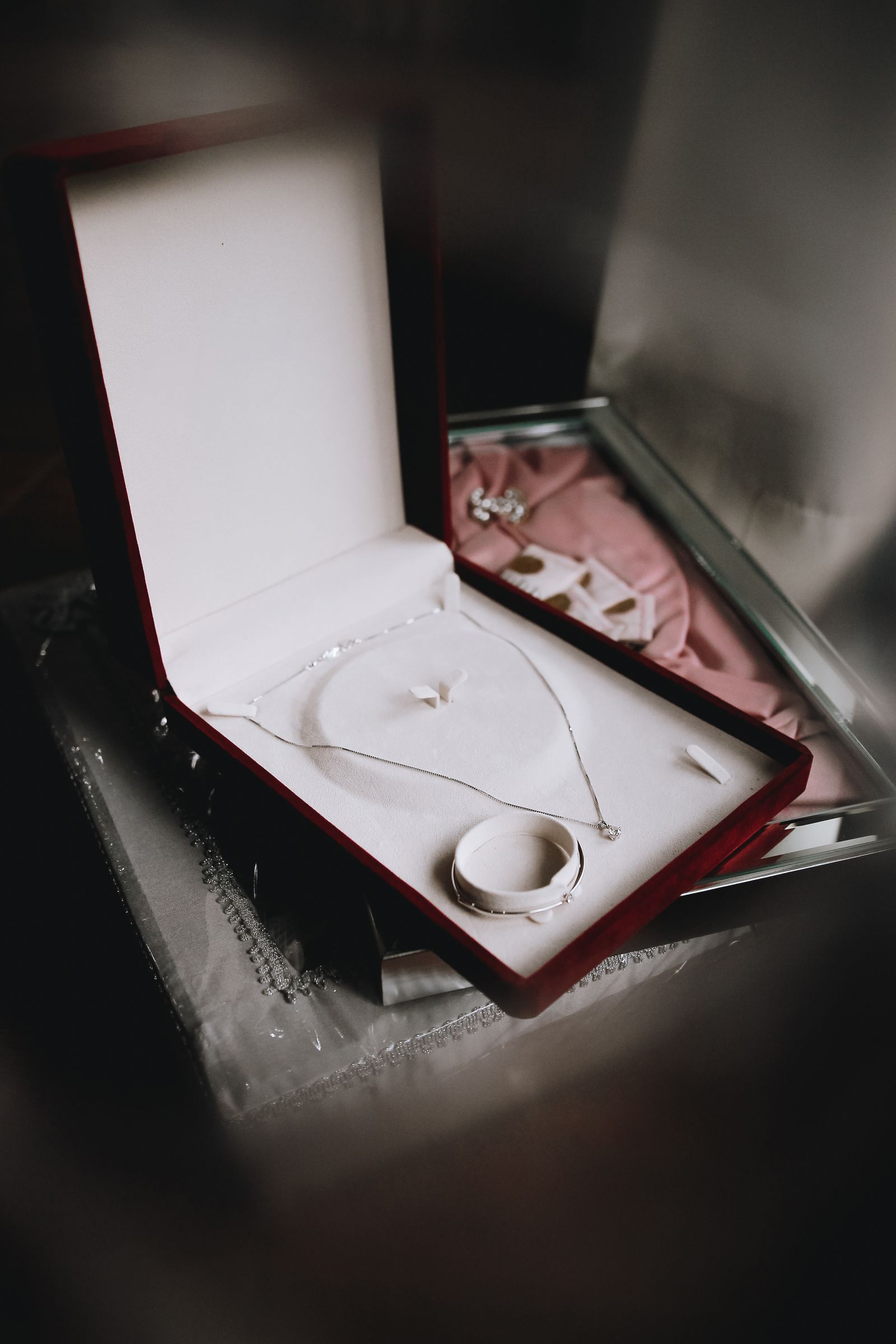
Packaging is your second product photo. A $1 gift box and a printed card turn a $28 necklace into a $45-looking gift, and unboxing photos from customers become free advertising. Position everything as a gift: name occasions in your product titles, offer a note card at checkout, and watch November and February do the rest.
The care card that saves your reviews
Add a small care card to every order: take the piece off before showering, keep it away from perfume and lotion, store it dry. This does three jobs at once. It makes the parcel feel premium, it teaches the customer how to make plating last, and it quietly resets expectations, because a buyer who wore a necklace in the pool rarely demands a refund for the fade. One printed card, a few cents, fewer one-star reviews.
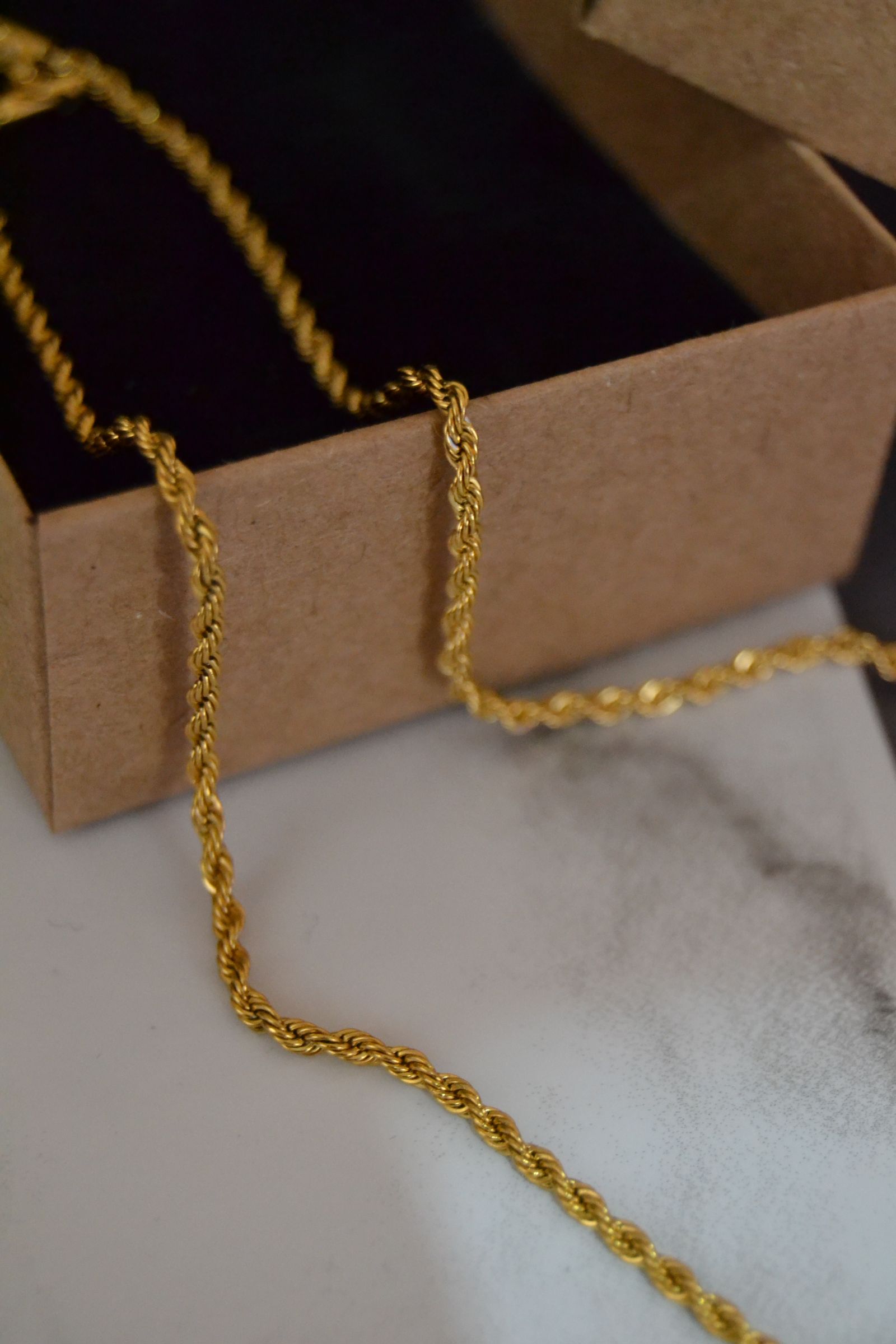
Channel-wise, jewelry is visual, so it lives on Pinterest, Instagram, and TikTok. Pinterest deserves special mention because its users literally search for gifts weeks ahead, which matches your calendar perfectly. Our Pinterest ads guide covers the setup. Whatever channel you pick, lead with the wearing shot, not the flat lay.
FAQ: Jewelry Dropshipping in 2027
Is jewelry a good niche for dropshipping?
Yes. It combines cheap shipping, 60% or higher margins before ads, year-round gift demand, and strong repeat purchases. The trade-off is quality control: vet suppliers and wear-test samples, because one bad batch of plating can wreck a young store's reviews.
What profit margin can I expect?
Fashion jewelry typically lands at 60% to 75% gross margin before advertising. A piece that costs $3 to $5 plus $5 shipping commonly sells for $25 to $30. After ad costs, net profit per order often sits between $8 and $12, higher with bundles and personalization.
How do I avoid quality complaints?
Order samples and wear them for two weeks before listing anything. Prefer stainless steel and 925 silver over plated brass, ask suppliers for plating thickness in microns, and never claim "gold" or "nickel-free" without supplier confirmation. Most complaints trace back to skipping these checks.
When should I launch for Valentine's Day?
Make sure your collection is live by mid-January so that your pages have time to rank and your ads time to learn. Choose your products in December, build the corresponding pages in early January and then scale up your ads about three weeks prior to February 14.
Do I need to handle shipping myself?
No. Fulfillment services pick, pack, and ship each order for you, and the better ones add quality control before dispatch. Jewelry's small size keeps fulfillment fees low, and return centers in the US, EU, and UK keep refunds fast and painless.
Final Thoughts
Jewelry rewards sellers who do two boring things: test the product on their own skin, and build pages around what people actually search for. Pick three styles this week, order samples, and photograph them yourself while they ship.
Valentine's Day is the next big peak on the calendar, and the stores that win it are built in December and January. If jewelry ends up not being your niche, the same routine works everywhere. Our guide to the best dropshipping niches for 2027 compares ten alternatives with real numbers.