Print on Demand vs Dropshipping: Real Margin Math (2027)
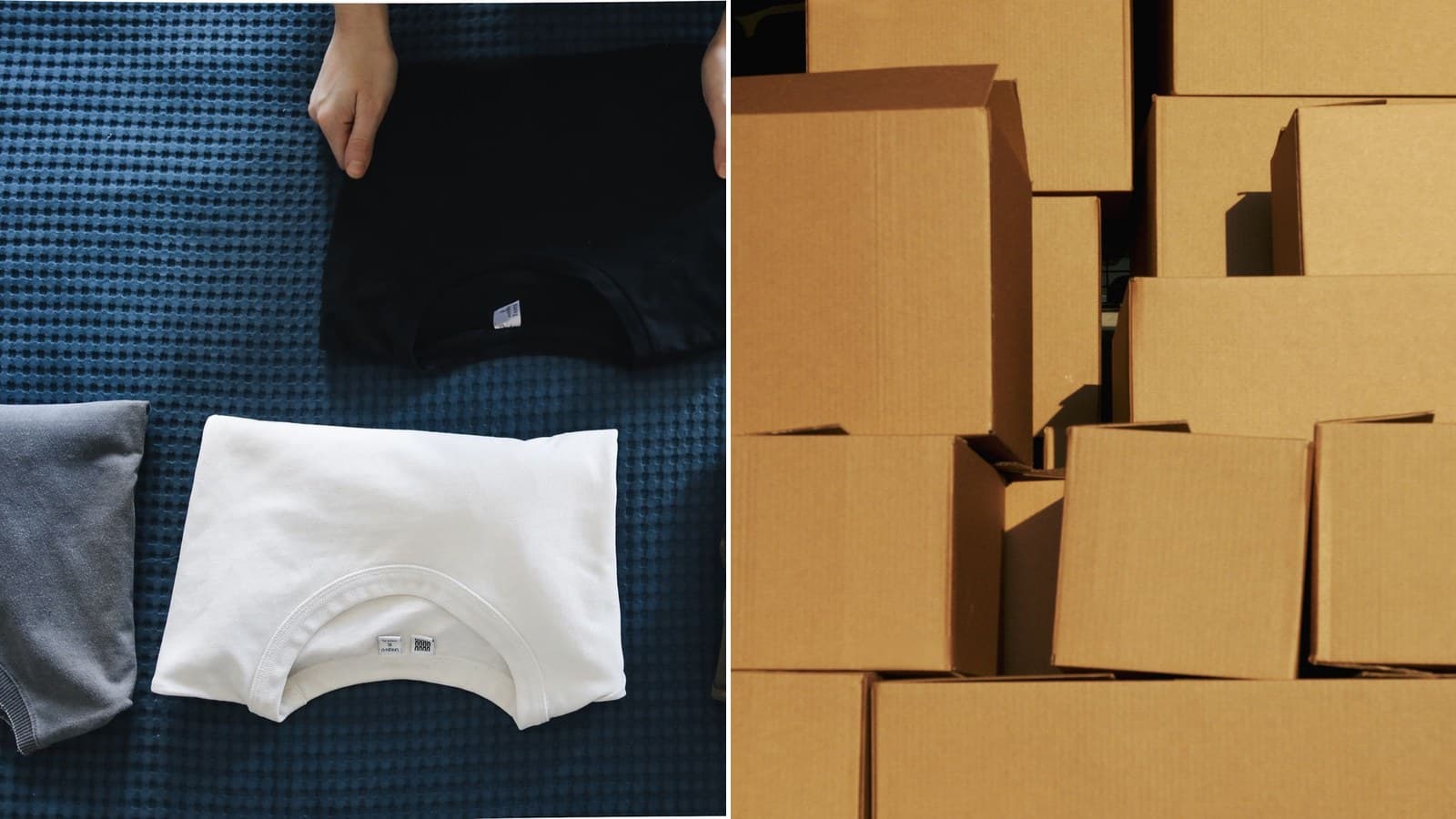
Both print on demand and dropshipping let you sell products online without holding any inventory. This means that rather than buying stock of products upfront, you can set up an online store and start selling straight away. A major difference between the two is the type of products you sell and who makes them. For print on demand products, your own designs are printed onto blank products as they are ordered by customers. For a typical dropshipping store, you sell fully completed products that a supplier holds in stock and then dispatches for you.
Using the numbers to run comparisons, dropshipping typically leaves 55-70% of the sale price as gross profit before ads are even factored in. Print on demand products typically have 35-50% gross profit. Although the profit per sale is lower for print on demand, it has one major advantage over dropshipping: a product you sell through print on demand cannot be sold by anyone else. Whether or not this advantage is worth sacrificing extra profit per sale depends on what you’re trying to build with your online business. Each model has its own advantages and is better suited for particular situations.
I compare both models on what really matters in late 2026: startup costs, margin per sale on real products, shipping and quality, and the tariff rules reshaping cross-border selling. No hype in either direction. Both models work, and both fail for predictable reasons.
How the Two Models Actually Work
A quick look at the mechanics first, because most of the confusion in this debate comes from comparing the two models on the wrong things.
Print on demand in one paragraph
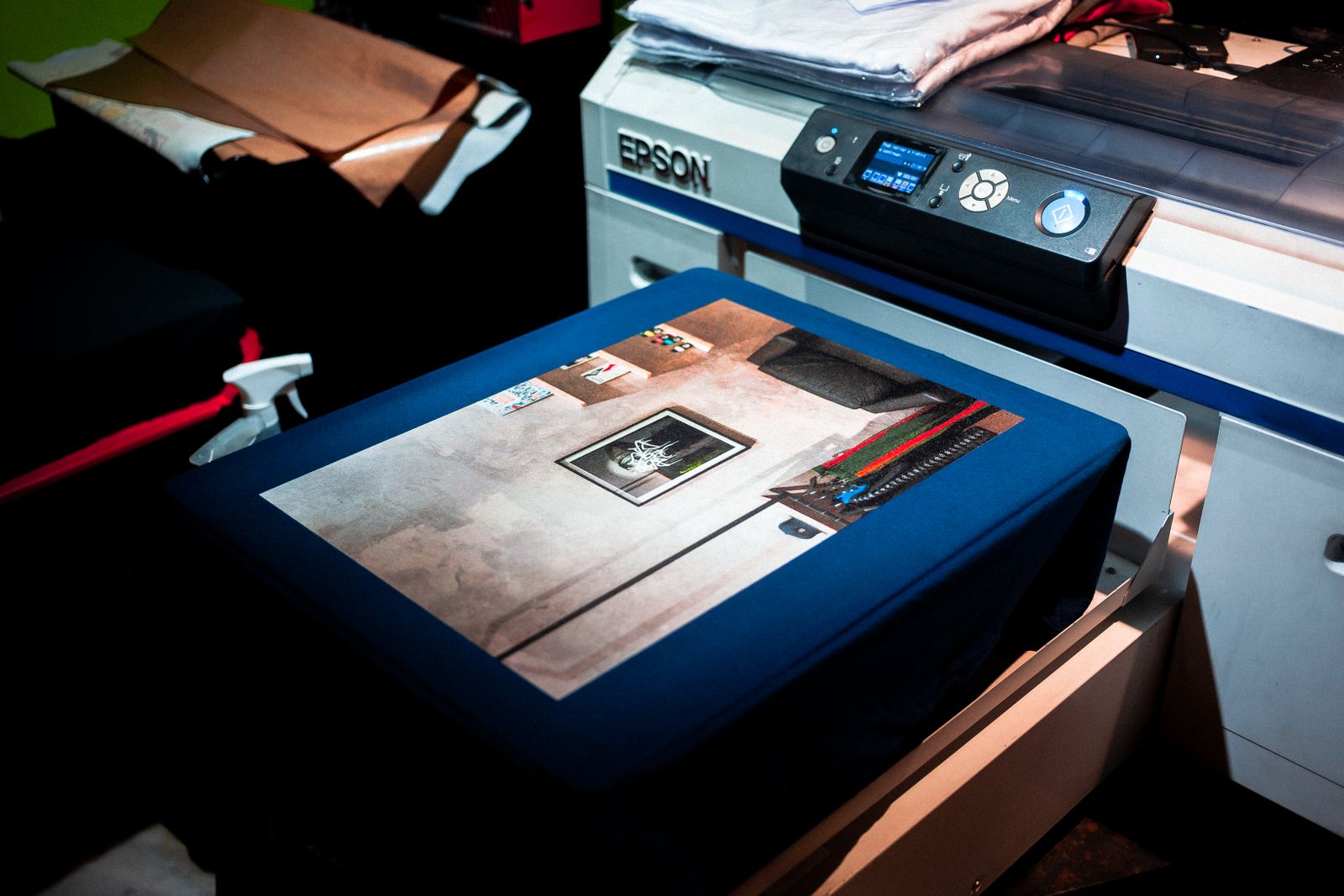
Upload your designs to POD providers such as Printify or Printful. Choose the products to print on (t-shirts, hoodies, mugs, posters, phone cases and more) and add them to your online store. When a design is sold to a customer, the POD provider will print, pack and send the products under your brand name. Printful, for example, says 86% of its orders are fulfilled in the same region as the customer. So, a US printed shirt will arrive at a US customer’s door within a few days. You pay the base price of the products, plus shipping for each order. You then get to keep the difference between this and the price you’ve sold the products at.
Dropshipping in one paragraph
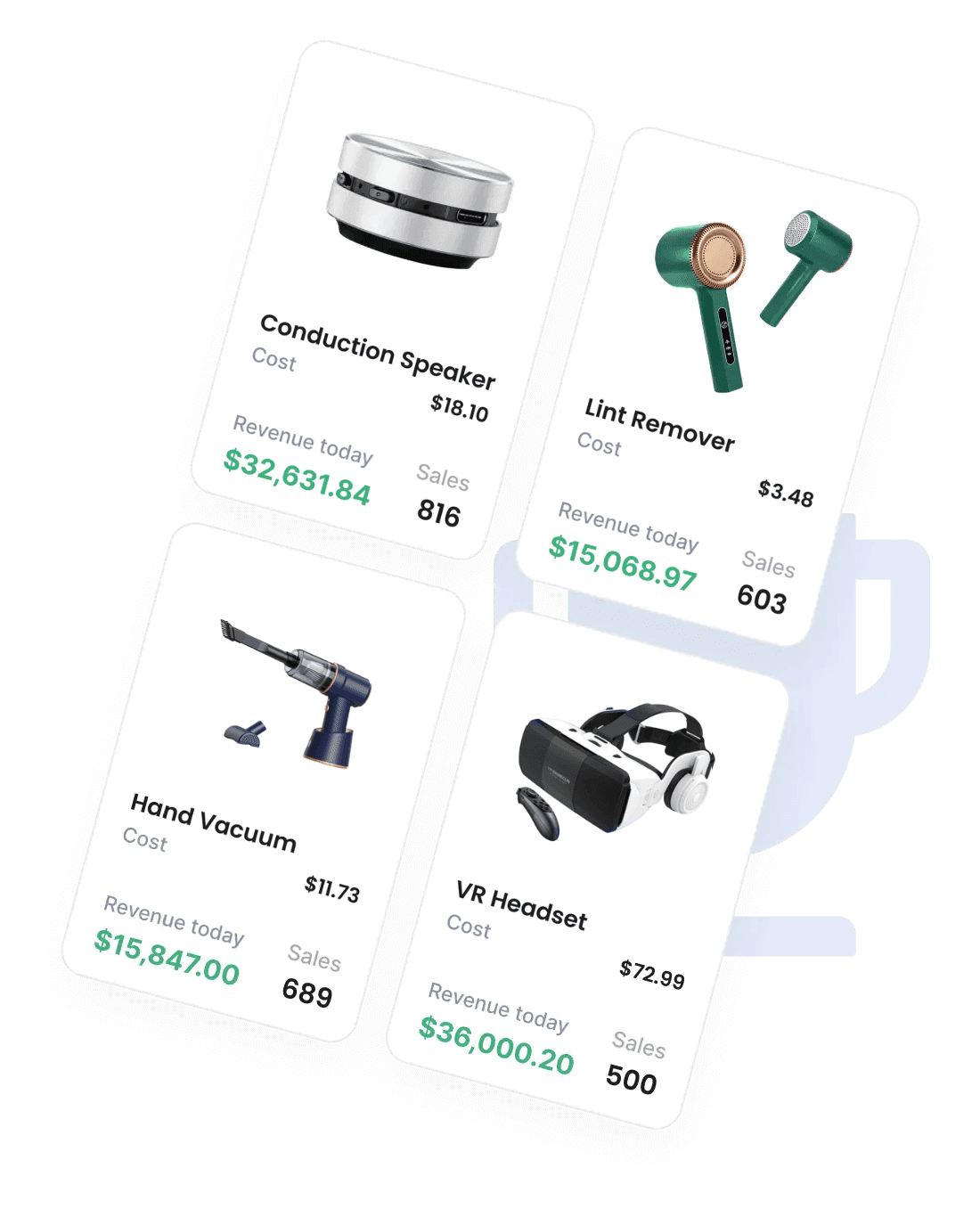
When you offer finished products in your store (like a pet water fountain, a posture corrector or an LED lamp), that is dropshipping. The supplier holds the stock, and when a customer orders, the supplier ships straight to them. This is all automated within modern sales platforms. With Fulfillment by Tradelle, a sale automatically places a supplier order, updates the tracking number on your store and you only pay for the products after your customer has paid you for them. Your work involves choosing to sell products with proven demand, setting up a shop that converts well and buying traffic in a profitable manner.
One more mechanical difference shapes everything below. POD locks you into printable blanks: apparel, drinkware, wall art, stationery, a few hundred product types at most. Dropshipping opens the entire physical catalog, from kitchen gadgets to car accessories to baby gear, across every price point. If a product exists and sells online, you can probably dropship it. If you want it personalized with your artwork, it has to be printable.
Startup Costs: What You Actually Spend to Launch
Both models are cheap to start compared with buying inventory, and neither comes close to the $3,000 to $5,000 an Amazon FBA launch costs. The spending just goes to different places.
| Startup item | Print on demand | Dropshipping |
|---|---|---|
| Store platform | $29-$39/mo Shopify Basic | $29-$39/mo Shopify Basic |
| Designs | $0 DIY to $300 freelance | $0 (supplier photos) |
| Samples | $30-$80 (2-3 printed items) | $20-$60 (1-2 test orders) |
| Research and tools | $0 to start | $1 trial, then $29.99+/mo |
| Logo and branding | $0-$50 | $0-$50 |
| Realistic total | $50-$400 | $50-$250 |
Two honest footnotes. The real startup cost of print on demand is your time for design. A decent graphic for a shirt can take an hour to do well, but hours more to get right when you are green. The real startup cost of dropshipping is ad testing. You should budget $150 to $300 to properly test the first product you want to sell, as organic traffic alone will not give you a clear answer on a product’s merits after a reasonable amount of time.
Both models have similar monthly running costs for store platform subscription and for apps. POD does not add any costs until you have outgrown the free provider plans and then dropshipping adds costs for a research or fulfillment platform once the trial period has ended. Neither model charges you for stock, which is the whole point.
The Margin Math: One T-Shirt vs One Trending Product
This is where the two models genuinely diverge. Similar effort per sale, very different economics.
The print on demand tee
Take the Bella+Canvas 3001, the industry-standard blank shirt. On Printify's free plan, it costs about $11 in production plus about $5 for US shipping, so roughly $16 all-in per order at late 2026 prices. Sell it at $29.99 and you keep about $14 before payment fees and ad spend. That is a gross margin of around 46%. Printify Premium at $24.99 per month (billed yearly) cuts product costs by up to 20%, which adds roughly $2 per shirt, so it pays for itself once you sell more than about 12 shirts a month. Price the same shirt at $34.99 with free shipping baked in and profit lands near $19.
The dropshipping product
Now look at a current Tradelle product report from November 2026: a maternity support band with a product cost of $3.36, UK shipping at $4.99 with a 4 to 8 day delivery window, and a suggested selling price of $24.99. Total landed cost is $8.35, so gross profit before ads comes to $16.64 per sale. That is a 67% margin with a break-even ROAS of 1.60: your ads can cost up to $16.64 per sale before you lose money.
Put the two side by side. The dropshipping product keeps 67 cents of every revenue dollar, the POD tee about 46. That 21-point gap is the difference between ads that scale and ads that bleed. On $10,000 of monthly revenue, it works out to roughly $2,100 in extra gross profit for the dropshipping store.
There are still costs nibbling at the examples above. Payment processing in both models typically costs around 3% plus a fixed fee per transaction. For POD, additional print placements, custom labels and branded packaging each add dollars to the order. On the dropshipping side, the cost of a refund for the rare failed delivery is silently eaten by the seller, though a good fulfillment partner with real return centers absorbs most of that pain.
So why on earth would anyone want to sell print on demand? Margin is only half the story.
What Print on Demand Buys You That Dropshipping Cannot
A winning dropshipping product gets copied within weeks. Your competitors will find the same supplier for the same product, even sell it cheaper and run similar ads. What you thought was your product wasn’t. A POD design that resonates with your audience is different. Nobody can sell your artwork, your inside joke, your catalog of niche slogans. What you build around dog mom humor or disc golf culture is an asset that cannot be imported by your competitors.
That defensibility changes where you can sell. Etsy buyers pay premiums for custom and personalized items, and POD is the natural fit there. Personalization is the strongest version of this: a name, a date, or a pet’s photo printed on the product adds a few dollars of cost and often $10 or more of perceived value, and the buyer has an emotional reason to keep it. POD also removes almost all product research risk. You are testing designs, not sourcing physical products, and a failed design costs you an afternoon instead of a supplier relationship.
The trade-off is that POD caps your range at printable items, and apparel is a tough, return-heavy category. Sizing issues alone drive return rates that most gadget niches never see.
Shipping, Quality, and the 2026 Tariff Reality
Delivery times are closer than you think
There’s an old story that dropshipping means waiting a month for a product to arrive. That was the AliExpress era. These days a supplier platform quotes 6-10 days worldwide with tracking, and the Tradelle example above shows 4-8 days to the UK. POD needs 2-5 working days to print plus time for shipping. A US-to-US order will typically arrive within 3-7 days in total. Neither model is losing sales over delivery time in 2026, as long as your store states honest windows.
Quality control without touching the product
Both models ask you to sell goods you never hold, so quality control comes down to picking the right partner and ordering samples. On the POD side, print quality varies between providers even for the same blank shirt, and Printful's pricing page notes that every price includes an in-house 3-step quality check plus a free reprint or refund on manufacturing errors. On the dropshipping side, quality equals supplier quality. Tradelle sources directly from manufacturers with in-house quality controls and handles returns through US, EU, and UK return centers, which takes the worst part of the model off your plate. Either way, order a sample before you spend a dollar on ads, and know in advance how you will handle the complaints that slip through.
Tariffs quietly favor domestic print
Here is the change most comparison guides skip. The US ended duty-free de minimis treatment for low-value imports, so cross-border parcels now carry duty exposure and customs friction. A shirt printed in Texas for a Texas customer never crosses a border, so domestic POD sidesteps all of it. Dropshipping margins took a small hit here, though platforms have absorbed much of the pain: Tradelle handles customs and applicable import duties on its orders, so sellers never calculate or pay them directly. The full breakdown is in our de minimis guide. The short version: tariffs narrowed the gap a little, but dropshipping’s margin lead survives them.
Where Each Model Wins
Choose print on demand if:
- You are a designer, artist, or creator with an existing audience.
- You want to sell on Etsy, where custom and personalized items command higher prices.
- Brand identity and repeat customers are more important to you than fast profit.
- You would rather test 20 designs than research 20 physical products.
- Your niche is passion-driven: dog moms, nurses, disc golf, retro gaming.
Choose dropshipping if:
- You want a huge selection of products in all niches and at all price points.
- Margin and ad economics matter more to you than creative expression.
- You prefer finding proven demand first, then building around it with data.
- Testing speed matters: swap a failing product today instead of redesigning.
- You plan to grow into a private-label brand later, once winners are proven.
The Hybrid Play Most Guides Skip
The either-or framing is a false choice, because both models share the same store, the same checkout, and the same advertising skills. Plenty of working stores run them side by side. A dropshipping store that finds its audience can add print-on-demand merch with its own branding once customers actually care about the logo. A POD shop with a loyal Etsy following can dropship complementary products (tote bag shop, meet trending phone grips) without designing a thing.
So the real question is not which model is better forever. It is which one you start with, and that answer should follow your unfair advantage. If you have design skills or an audience, print on demand monetizes them on day one. If your advantage is hustle and a willingness to learn ads and data, dropshipping gives you more to work with. And if you start dropshipping in 2027, the first skill to build is finding products whose demand is already proven, because that is the part of the model that decides everything downstream.
What You Actually Test: Designs vs Products
Each model has its own testing loop. POD testing is all about producing designs and testing them out. Sketch out 10 different slogans or graphics for a product and list them out. Then see which ones are getting clicks and converting to carts. A failed test costs you design time and nothing else, so you can run a new test every single day. Typically the designs that end up working the best weren’t even in your initial 20 tests, which is why designers with fast output have such an edge here.
Dropshipping testing means verifying in advance that a product will perform based on demand data before you burn serious money on ads. As part of that testing, you’d typically look at search interest, saturation, what other stores are making on the item, and how the margin holds up against ad costs. Each test blows through real ad budget, so pre-filtering with data matters far more than gut feel. That is exactly the workflow reading demand curves and saturation checks are built for. Pick the loop that matches the skill you already have, or the one you would enjoy learning.
Where the Buyers Come From
Traffic for POD stores and for dropshipping stores comes from different places and shapes how you spend your days. For POD stores that means community and search. That means Etsy search, Pinterest boards, weird TikTok and Instagram accounts in very specific niches, very specific subreddits. The design is the marketing and as long as you post something funny in front of the right community it will sell itself. Growth is slow but cumulative and every piece of content you post will keep bringing you business for months to come.
I've found that dropshipping is extremely well suited to paid social on Meta and TikTok. The fastest way to get a proven product in front of cold buyers is to run ads. Within a few days you'll know if the math works or not, and you can move on if it doesn't. It's fast, it's scalable, but it's also brutal: you're buying every visitor. If you like playing with analytics you'll thrive in paid social. If you like making things then you'll burn out within a few months. Be honest with yourself about which kind of seller you are.
Most sellers underestimate how well organic channels and paid channels mix. A POD design that already sells through your organic posts is exactly what paid ads amplify best, because the creative has proven itself for free. And a dropshipping store can reinvest some ad profit into content that builds the organic traffic it was missing. Neither channel is a personality trait. They are tools, and each model leans on a different one first.
FAQ: Print on Demand vs Dropshipping
Is print on demand more profitable than dropshipping?
Usually not, per sale. POD tends to have gross margins of 35-50%, whereas dropshipping runs 55-70% before ad costs. The counterweight is competition. Nobody else sells your exact design, so POD stores face less direct price pressure and can hold conversion and repeat purchase rates that generic product stores struggle to match.
Can I combine print on demand and dropshipping?
Yes. One Shopify store can run both models at once, and many do. Dropshipped products bring the margin and variety, POD items carry the brand. The operations never conflict, because both are supplier-fulfilled.
Which model is better for beginners in 2027?
Dropshipping is great for learning paid advertising and demand analysis with the widest variety of products to sell. Print on demand is great for people who have design skills or an audience to sell to already. Both can be launched for under $400 so it doesn’t have to be based on budget, just on skill.
Is print on demand oversaturated?
The market is not. Grand View Research puts print on demand at about $13.1 billion in 2026, growing roughly 23.6% a year. What is saturated is generic motivational text on black shirts. Specific designs for very particular communities still sell every day, because each one of these designs is a product only you offer.
Which model ships faster?
Domestic POD orders usually arrive in 3 to 7 days including print time. Modern dropshipping through a fulfillment platform quotes 6 to 10 days worldwide, sometimes faster to major markets. Both are quick enough that delivery time alone should not decide your model.
Can I switch models later?
Yes, this happens constantly in both directions. Dropshippers start selling POD merch once their store has a recognizable brand. POD sellers add dropshipped products when they want more margin per visitor. Your store platform, ad accounts, and customer list carry over either way.
Do I have to deal with customs and import duties?
Domestic POD orders never cross a border, so there is nothing to deal with. Cross-border dropshipping orders do carry duties after the 2025 de minimis changes, but Tradelle handles customs and applicable import duties on its orders, so the practical burden on you is zero.
Final Thoughts
Print on demand sells your creativity. Dropshipping sells proven demand. The margin gap is real, about 21 points on the examples above, and so is the brand defensibility that POD gives back. Neither model fails on its own. They fail when sellers pick the one that doesn’t match their skills.
If dropshipping is your route, your next step is learning to read demand before you spend on ads. Our guide to validating a product before you buy a single click walks through it, and Product Picks gives you the real cost, margin, and saturation data behind every product it lists.